Delphi Archaeological site
According to the myth, Zeus released two eagles from opposite ends of the earth; where they met, he marked the centre of the world, and a stone — the Omphalos, the navel — was set on the spot. For roughly a thousand years, no Greek state made a serious decision without asking the oracle first.
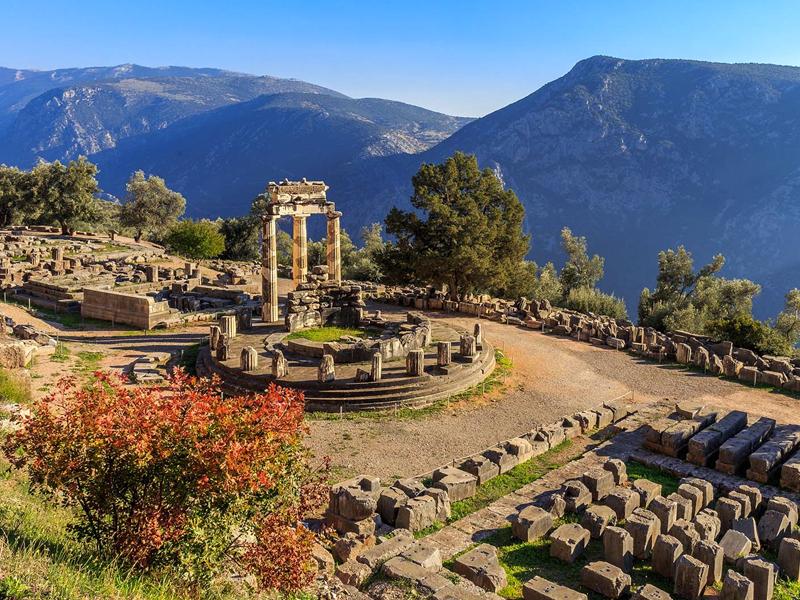
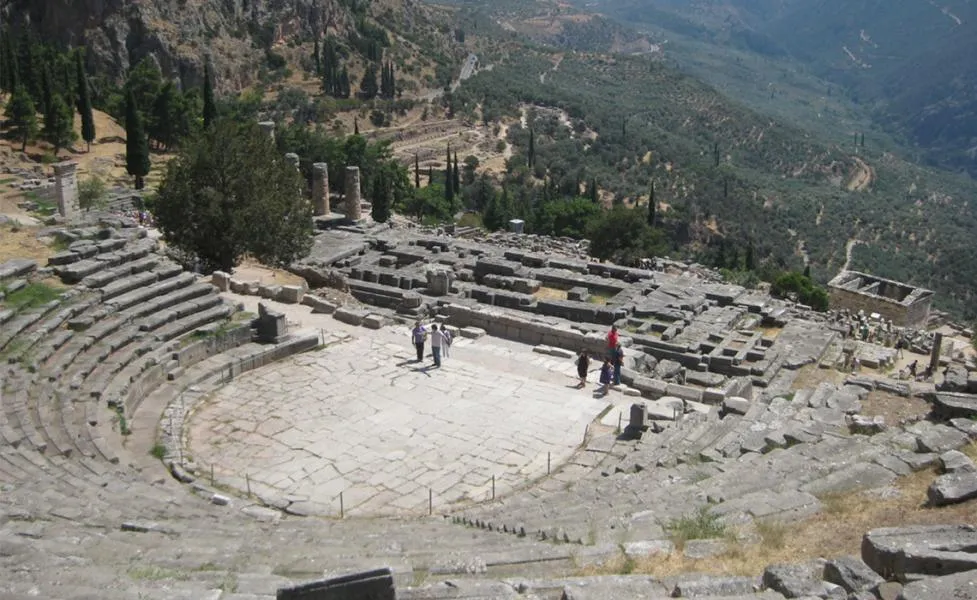
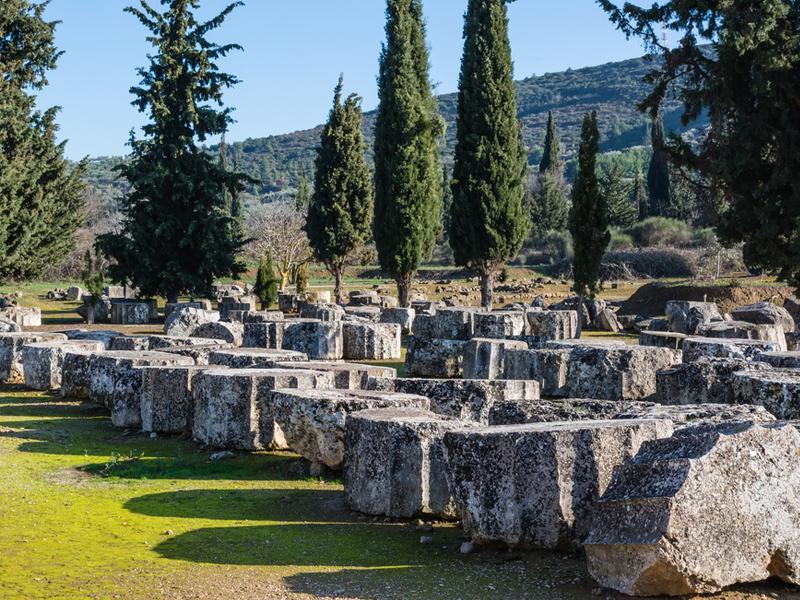
The Sacred Way climbs the steep slopes of Parnassos to the Temple of Apollo, past the treasuries and monuments that cities built to thank the god. Below the main site, at the sanctuary of Athena Pronaia, stands the Tholos — a circular building dating to the early 4th century BC whose purpose is still unknown, and the most photographed structure at Delphi.
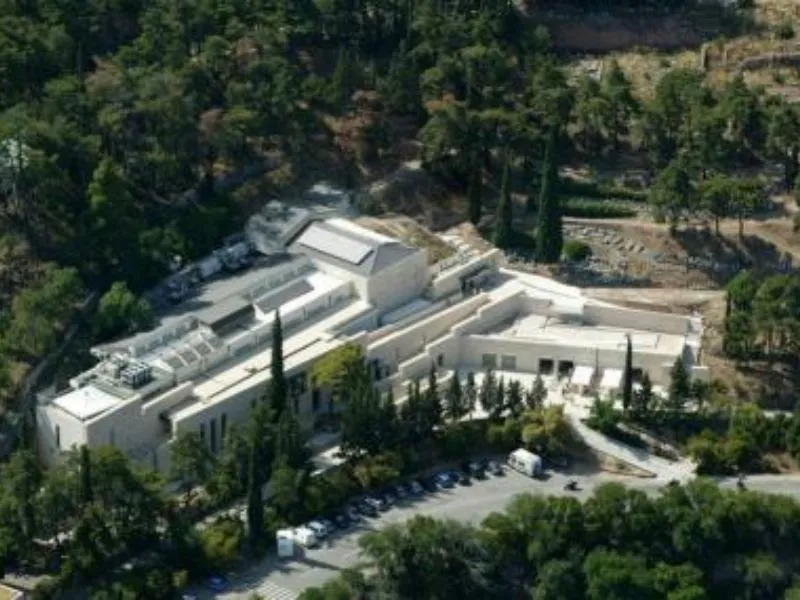
The museum holds the Charioteer of Delphi: cast in bronze in about 470 BC, buried by a landslide, and recovered in 1896 almost intact, with his enamel eyes still in place. Delphi has been a UNESCO World Heritage Site since 1987.
Nearby stands the Byzantine monastery of Hosios Loukas, whose gold-ground mosaics have remained largely intact since the eleventh century. You can visit both on our 11-hour private day tour from Athens, or as part of our multi-day tours that combine the Peloponnese with Delphi.